
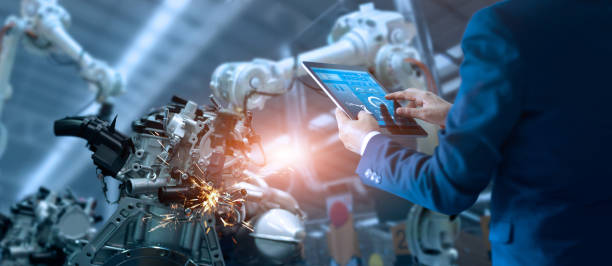
Bright sparks, high heat, and heavy machinery—working with a plasma cutter can look like something out of a sci-fi movie. But in the world of robotics engineering in Alabama, it’s just another day in the lab. Behind that impressive tech, however, is a whole system of safety protocols few outsiders ever hear about.
Comprehensive Shielding Measures for Plasma Arc Operations
Shielding isn’t just about putting up walls—it’s about understanding where energy flows, where sparks fly, and how heat radiates. A robotics engineering company in Alabama working with a plasma cutter takes special care to protect both the operator and surrounding equipment from intense plasma arcs. Barriers made of flame-resistant materials and protective enclosures around the CNC plasma cutter in Alabama operations prevent accidental exposure to harmful UV and infrared rays. It’s more than safety—it’s about building confidence for technicians standing just feet away from a 20,000-degree arc.
These measures aren’t thrown together at the last minute. They’re carefully planned and tested for every layout and system setup. Transparent panels made with specific filtering capabilities allow observation without compromising vision safety. The robotics teams don’t just build shielding—they design it with workflow in mind, making sure it protects without slowing down production. This balance between safety and function is where Alabama’s robotics engineers truly show their expertise.
Systematic Inspection Protocols for Equipment Reliability
Before the arc even starts, there’s a checklist waiting to be checked. Inspection protocols are set in motion every day to ensure plasma cutters are not just operational, but reliable. A CNC plasma cutter in Alabama shops might look sleek and modern, but even the most advanced machines need regular checking. Robotics engineers review grounding connections, torch components, nozzle condition, and cable wear to prevent unexpected breakdowns—or worse, malfunctions mid-cut.
These inspections go beyond routine. They’re tied to quality standards that robotics engineering companies treat as non-negotiable. Logs are kept. Every pass or fail gets recorded and tracked. Over time, this creates a performance history that helps engineers predict wear, detect slow failures, and schedule replacements before problems arise. It’s a quiet form of insurance, but one that pays off every single day on the shop floor.
Rigorous Operator Training to Mitigate Workplace Hazards
No machine runs safely without the hands that control it being trained to precision. Alabama’s robotics teams take operator training seriously—more than just teaching how to press buttons. Operators of CNC plasma cutters learn how the system behaves under different materials, power levels, and speeds. They also study safety protocols like arc initiation, grounding, torch safety, and emergency stop controls in detail.
Hands-on learning is central to these programs. Engineers emphasize repetition, reaction time, and situational awareness. Trainees run through simulations, handle emergency scenarios, and get quizzed on system limits. That combination of real-world drills and technical understanding means fewer accidents and faster response if something does go wrong. It also builds a culture where safety is the norm, not just a rule on a wall.
Integrative Emergency Shutdown Procedures for Rapid Response
Fast response isn’t just about reflex—it’s about preparation. Robotics engineering companies in Alabama embed layered shutdown systems into their plasma cutting workstations. One button isn’t enough. Emergency protocols often include hardware-level stops, software-level controls, and isolated power systems. Each component is placed where it can be reached quickly, even in high-stress situations.
Training operators to use those controls instinctively is part of the system. Engineers walk staff through drills where the unexpected happens—arc flickers, material misfeeds, sudden sparks. Those scenarios help build muscle memory. So when something real happens, the reaction isn’t panic—it’s action. This design approach means that a CNC plasma cutter in Alabama facilities doesn’t just cut with precision; it shuts down with speed when needed.
Controlled Ventilation Systems Reducing Toxic Exposure
Cutting metal with a plasma torch creates more than sparks—it generates smoke, fumes, and fine particles. A robotics engineering company in Alabama doesn’t ignore air quality. Instead, it installs well-engineered ventilation systems that keep toxic elements away from breathing zones. Local exhaust units positioned near the torch head capture pollutants right at the source, while full-room airflow systems maintain clean air across the facility.
What makes these setups effective isn’t just power—it’s precision. Engineers calculate flow rates, filter loads, and pressure zones to keep fumes moving in the right direction. It’s not one-size-fits-all, either. Ventilation strategies vary by material, cut time, and machine power. The result? Safer breathing environments without compromising the efficiency of the plasma cutter.
Standardized Preventive Maintenance Enhancing Cutter Integrity
Keeping a plasma cutter in top form means staying ahead of wear, not chasing it. Preventive maintenance is part of the daily rhythm at robotics labs across Alabama. Engineers clean torch heads, calibrate control systems, and replace consumables based on use—not just failure. For CNC plasma cutter setups in Alabama, this can mean checking software updates, drive alignment, and cooling system flow before any issue emerges.
But it’s not just technical—it’s scheduled and tracked like clockwork. Teams often use maintenance logs to spot patterns and adjust service cycles based on real-world use. This avoids downtime, reduces repair costs, and, most importantly, keeps the machines safe to operate. It’s a quiet process, but one with big results in reliability.
Clearly Defined Safety Compliance Standards Across Industries
Robotics engineering teams know they aren’t working in a bubble. Plasma cutter operations must align with safety standards from multiple industries—automotive, aerospace, and defense all bring their own rules. So companies create clearly defined documentation that meets those requirements and satisfies audits, both internal and external.
Standards aren’t just printed and forgotten. They’re baked into the way machines are designed, programmed, and used. Engineers reference OSHA, ANSI, and industry-specific benchmarks to build systems that don’t just meet expectations but exceed them. For a robotics engineering company in Alabama, safety isn’t a goal—it’s a design choice from day one.
